



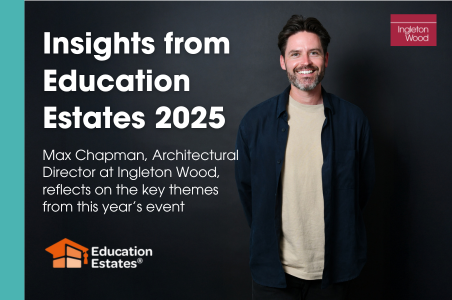
Now in its 13th edition, the Education Estates exhibition and conference in Manchester is a leading national platform for sharing best practice, exploring new technologies, and shaping the future of schools, colleges, and universities across the UK.
Ingleton Wood's Max Chapman, Architectural Director, attended the conference - here are some of his key takeaways from this year’s event.
Re-imagining the future of Education Estates
The breadth of conference sessions provided a comprehensive range of ideas, case studies, and strategic reflections that encourage a re-evaluation of how we design, manage, and develop our school estates.
A clear and compelling narrative emerged from this year’s agenda; the future for educational environments must be resilient, inclusive, data-driven, and deeply connected to nature.
Rethinking schools as ecosystems
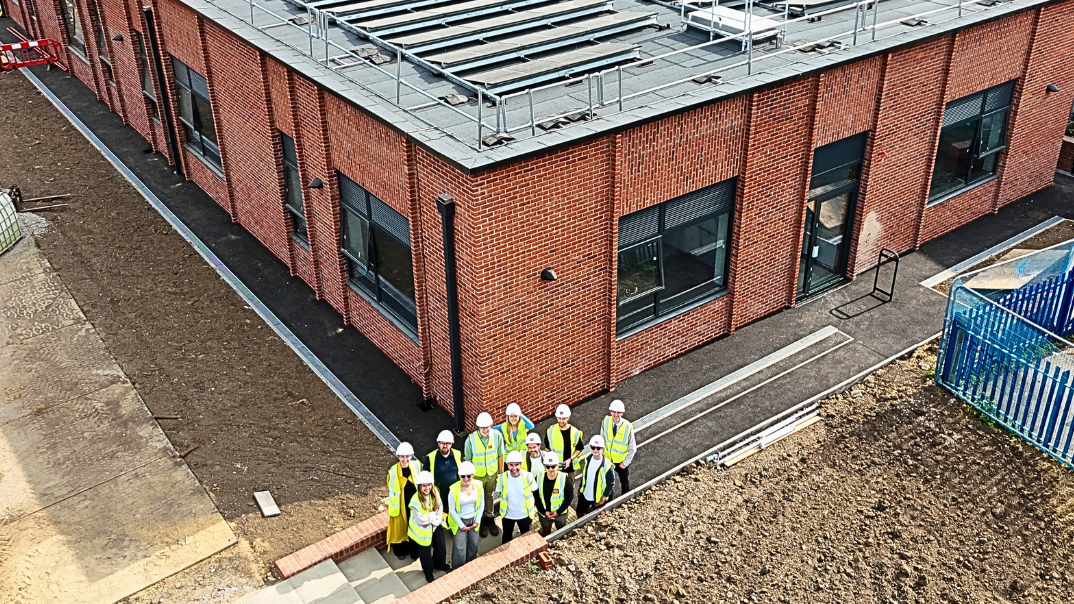
A key theme from this year’s conference was the shift from viewing schools as static buildings to seeing them as evolving ecosystems: adaptable, interconnected spaces that respond to changing needs and support collaboration.
With extensive multidisciplinary expertise, Ingleton Wood are perfectly positioned to help schools and trusts build evidence-based strategies that connect estate performance to educational outcomes.
As new DfE guidance emerges, we remain at the forefront of this transition, embedding these principles into projects, drawing on lessons from other sectors, and prioritising sustainability, resilience, and reliable, up-to-date estate data.
Resilience and adaptation: beyond Net Zero
Climate resilience was another central theme this year.
From Peru’s response to El Niño to Bradford’s low-cost, high-impact resilience measures, the message was clear: adaptation must be embedded at the earliest stages of design.
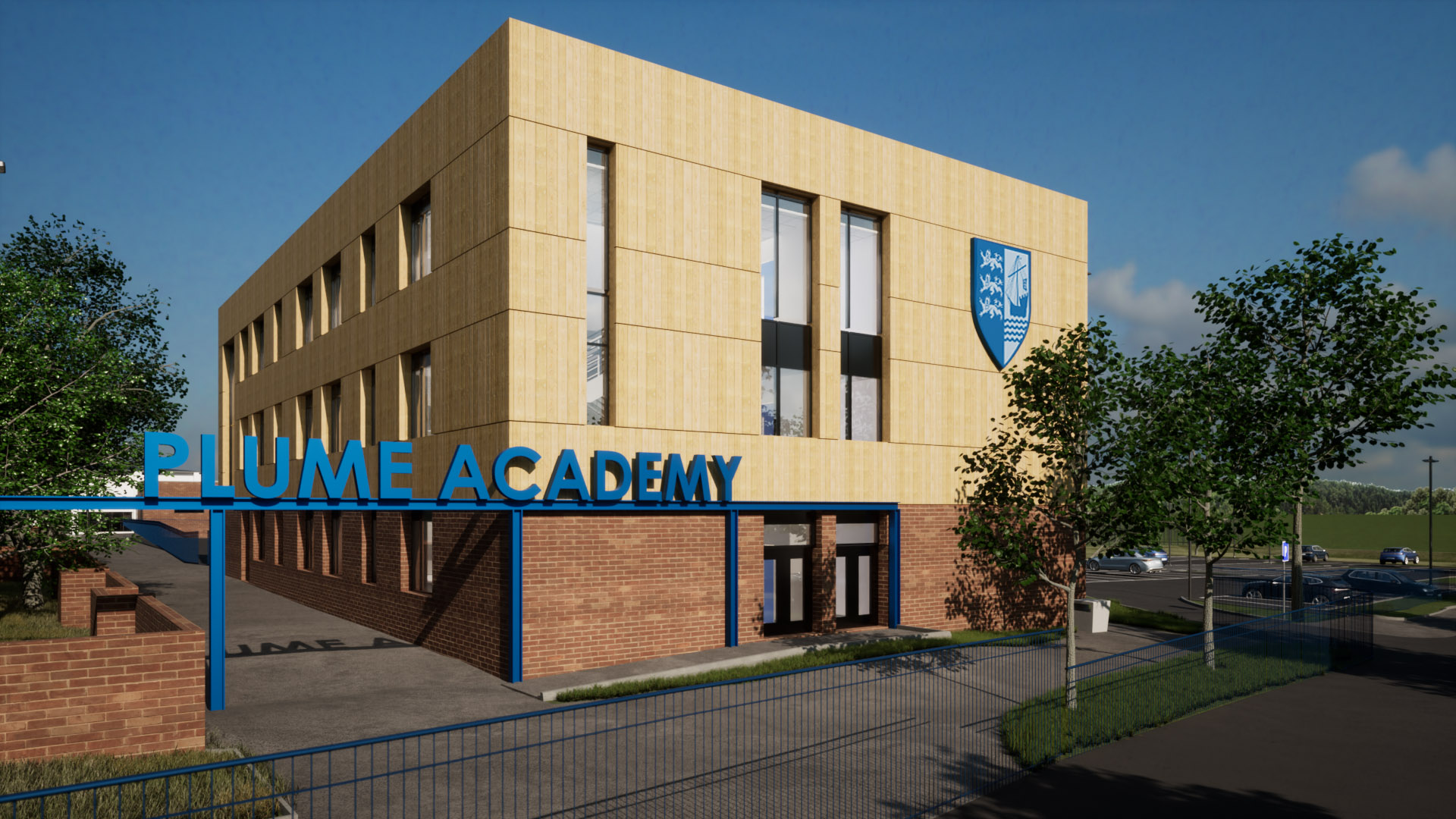
Nature-based solutions, external learning spaces, and biophilic design are no longer optional, they are essential. Initiatives such as the DfE’s Resilient Schools Programme and the National Education Nature Park highlight both the urgency and opportunity to make outdoor spaces central to learning and wellbeing.
Inclusivity and neurodiversity: designing for everyone
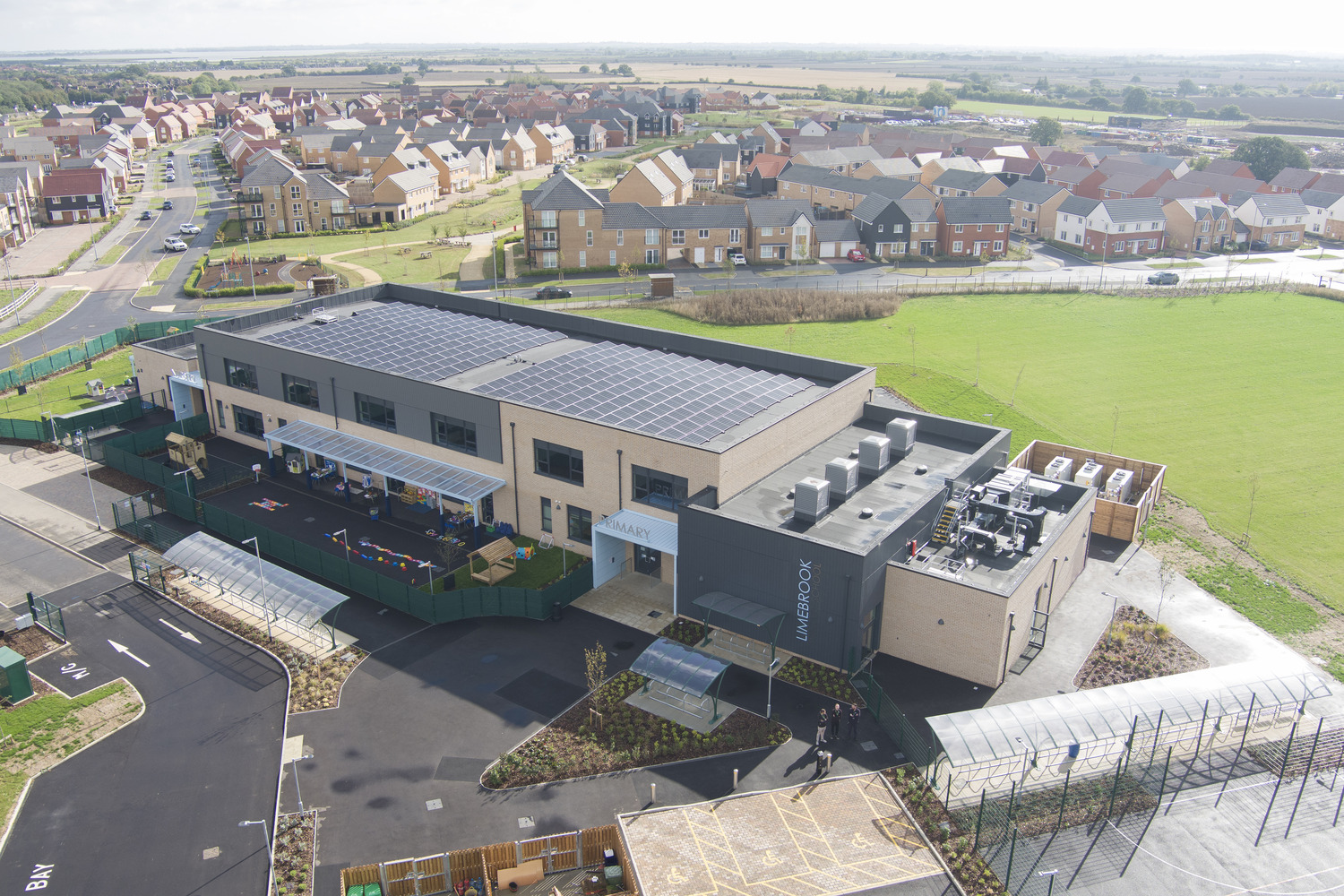
Designing for SEND and neurodiverse learners is an increasing priority. The Yeoman School case study showed how design details, from curved walls to seasonal zones, can transform institutional spaces into nurturing environments.
The challenge remains embedding flexibility and identity into new buildings constrained by Building Bulletins 103 and 104, while retrofitting existing estates for evolving needs.
Industrialised construction and MMC
The rise of Modern Methods of Construction (MMC) and industrialised delivery models, such as those by construction specialist Reds10, signals a transformation in how we build.
With 85% of builds completed offsite and automated design checking via tools like Dynamo, the sector is moving towards precision, speed, and repeatability.
Yet, the human element remains vital, consultants who “become part of the school family” were praised for their impact.
Funding, strategy, and the role of the community
Funding mechanisms like CIF and SCA were discussed with cautious optimism.
While CIF remains a lottery for many trusts, the DfE’s long-term commitment and the emergence of match funding strategies offer hope.
Schools are increasingly seen as community anchors, with wrap-around care, active travel guidance, and softer, more accessible entrances needed to redefine their civic role.
Looking ahead
The closing panel captured the spirit of the event: this is a shared endeavor. The vision goes beyond buildings, it’s about people, place, and purpose.
Green skills, timber construction, and AI-driven estate management will shape environments where students thrive.
The challenge is to balance innovation with practicality, standardisation with individuality, and data with empathy. The future of the education estate must focus on the outcomes for the future generations.
Partner with us
Ingleton Wood combines architecture, building services, surveying, sustainability expertise, and more, to support schools and trusts plan, fund, and deliver high-performing education estates that are fit for the future.
Contact our team to discuss how we can support your next education project.


 General Enquiries
 Twitter
 LinkedIn
 Instagram